|
Why Antibiotics Fail vs Vibrio & What to Do About It
For any aquaculture professional, from a hatchery manager to a pond farmer, a Vibrio outbreak is a significant threat. For years, the standard operating procedure was clear: identify the problem and apply a broad-spectrum antibiotic. It was a reliable, if blunt, instrument. But a concerning trend is emerging across the global industry—sometimes, the antibiotics simply don't work as they used to. Stocks that should recover remain sick, mortality rates climb, and a sense of helplessness grows. If you've found yourself using standard treatments with diminishing results, you are not alone. This isn't a sign of a faulty product or a mistake in your protocol; it's a signal of a fundamental shift in the microbial landscape of aquaculture. The very tool we have depended on is becoming part of the problem, creating tougher, more resilient pathogens. This article dives into the critical reasons behind the declining efficacy of antibiotics against pathogenic Vibrio species like V. harveyi and V. parahaemolyticus. We will explore the science of antibiotic resistance and the collateral damage these treatments cause, before introducing a highly targeted, natural solution that works with your farm's ecosystem, not against it. The Vicious Cycle: How Antibiotics Create Stronger Enemies
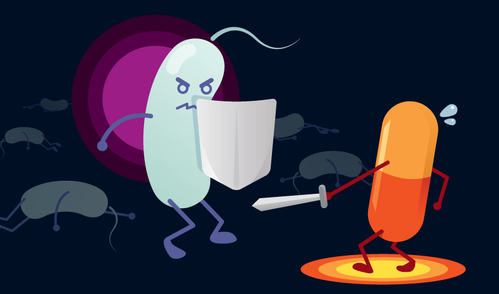
The appeal of antibiotics is their power to act quickly and broadly. When facing a bacterial infection, they seem like the perfect weapon. However, this broad-spectrum approach is a double-edged sword that has, over time, created a more dangerous and difficult farming environment. 1. The Rise of "Superbugs": Natural Selection in Your PondAt its core, antibiotic resistance is a straightforward case of evolution in fast-forward. When you introduce an antibiotic into your pond, it successfully kills the vast majority of susceptible Vibrio bacteria. However, within any massive bacterial population, there are always a few individual bacteria that, by random genetic chance, possess a natural defense against that specific antibiotic. These are the survivors. With their competition eliminated, these few resistant bacteria are free to multiply without restriction, feeding on the rich nutrients in the pond. They pass their resistant genes on to their offspring, and very quickly, the entire Vibrio population in your pond is dominated by this new, "superbug" strain. Each subsequent application of the same antibiotic only serves to strengthen this resistant population, making the problem progressively worse with every season. This is why a treatment that worked perfectly two years ago may show little to no effect today. 2. Wiping Out the Good with the BadA pond is a complex microbial ecosystem, teeming with billions of beneficial bacteria that are essential for a healthy environment. These "good" bacteria help break down waste, process ammonia, and outcompete pathogens for nutrients and space, forming a natural line of defense. Broad-spectrum antibiotics are indiscriminate. They cannot tell the difference between a pathogenic Vibrio harveyi and a beneficial waste-degrading bacillus. When used, they wipe out vast portions of this helpful microbial community, disrupting the pond's delicate ecological balance. This can lead to a "rebound effect," where the harmful Vibrio, often faster-growing than the beneficial species, repopulates the now-vacant environment even more aggressively than before the treatment began. You solve one problem temporarily, only to create a bigger one down the line. 3. The Market Access Barrier: Residues and RegulationsThe challenge isn't just biological; it's also commercial. For any farm with an eye on the international market, particularly in Europe, North America, and Japan, antibiotic residues are a major point of contention. Many of the world's largest seafood importers have a zero-tolerance policy for antibiotic residues in their products. A single positive test can result in the rejection of an entire shipment, leading to devastating financial losses and damage to your reputation as a supplier. This market pressure is forcing the industry to seek safer, cleaner, and more sustainable alternatives. A Paradigm Shift: The Power of a Precision Strike
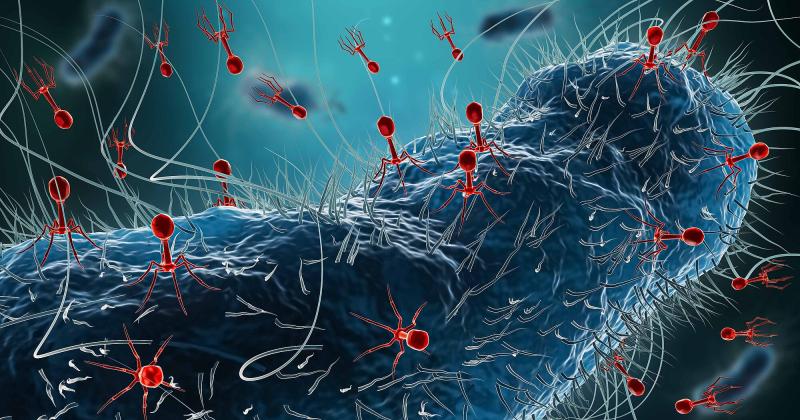
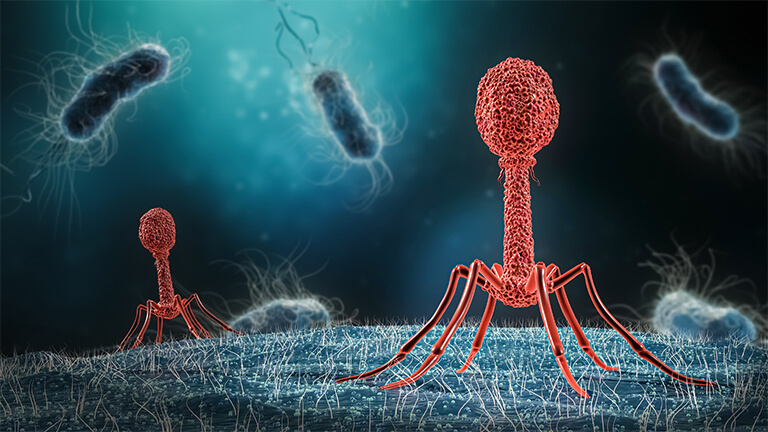
When your primary weapon starts causing collateral damage and strengthening the enemy, it's time for a new strategy. Instead of a "carpet bombing" approach that harms friend and foe alike, the future of disease management in aquaculture lies in precision. We need a tool that can surgically target and eliminate only the pathogenic threat, leaving the beneficial ecosystem completely untouched. This is where nature has already provided a perfect solution: bacteriophages. Understanding the Vibrio Phage: Nature’s Own AnswerA bacteriophage, or simply "phage," is a naturally occurring virus that has evolved over millions of years with a single purpose: to infect and destroy a specific type of bacteria. A Vibrio phage is a phage that is biologically programmed to target only Vibrio bacteria. It is completely harmless to everything else—to other types of bacteria, to algae, to the shrimp or fish in your pond, and to humans. This incredible specificity is what makes it a revolutionary tool for aquaculture. The mechanism is a beautifully efficient, natural cycle known as the lytic cycle:
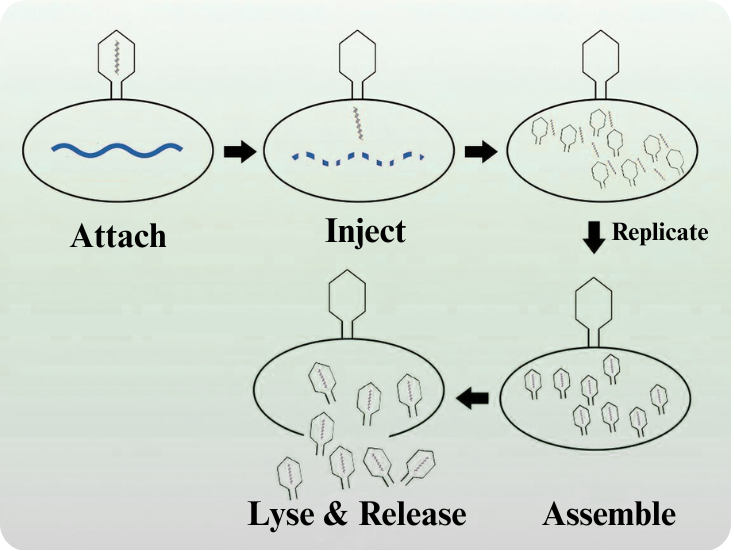
1. Attachment: The Vibrio phage drifts through the water until it encounters a target bacterium (e.g., V. harveyi). Its tail fibers then recognize specific receptors on the bacterial cell wall and lock on, like a key fitting into a lock. 2. Injection: Once attached, the phage injects its own genetic material into the Vibrio cell, leaving its outer shell on the surface. 3. Replication: The phage DNA hijacks the bacterium's cellular machinery, forcing it to stop its normal functions and start producing hundreds of new phage components. 4. Lysis (Bursting): Within a short period, the newly assembled phages produce an enzyme that breaks down the bacterial cell wall from the inside out. The host cell bursts open, releasing hundreds of new, identical Vibrio phages that immediately begin hunting for more Vibrio bacteria to infect. This process continues exponentially as long as the target pathogen is present. Once the pathogenic Vibrio population has been significantly reduced, the phages, deprived of their only food source, naturally dissipate and are cleared from the water. It is a self-regulating, self-limiting, and incredibly efficient system. The Clear Advantages of Using Vibrio Phage in AquacultureWhen you compare this targeted biological approach to traditional chemical treatments, the benefits for the modern aquaculture professional become clear.
Practical Integration: Choosing a High-Quality Phage Solution
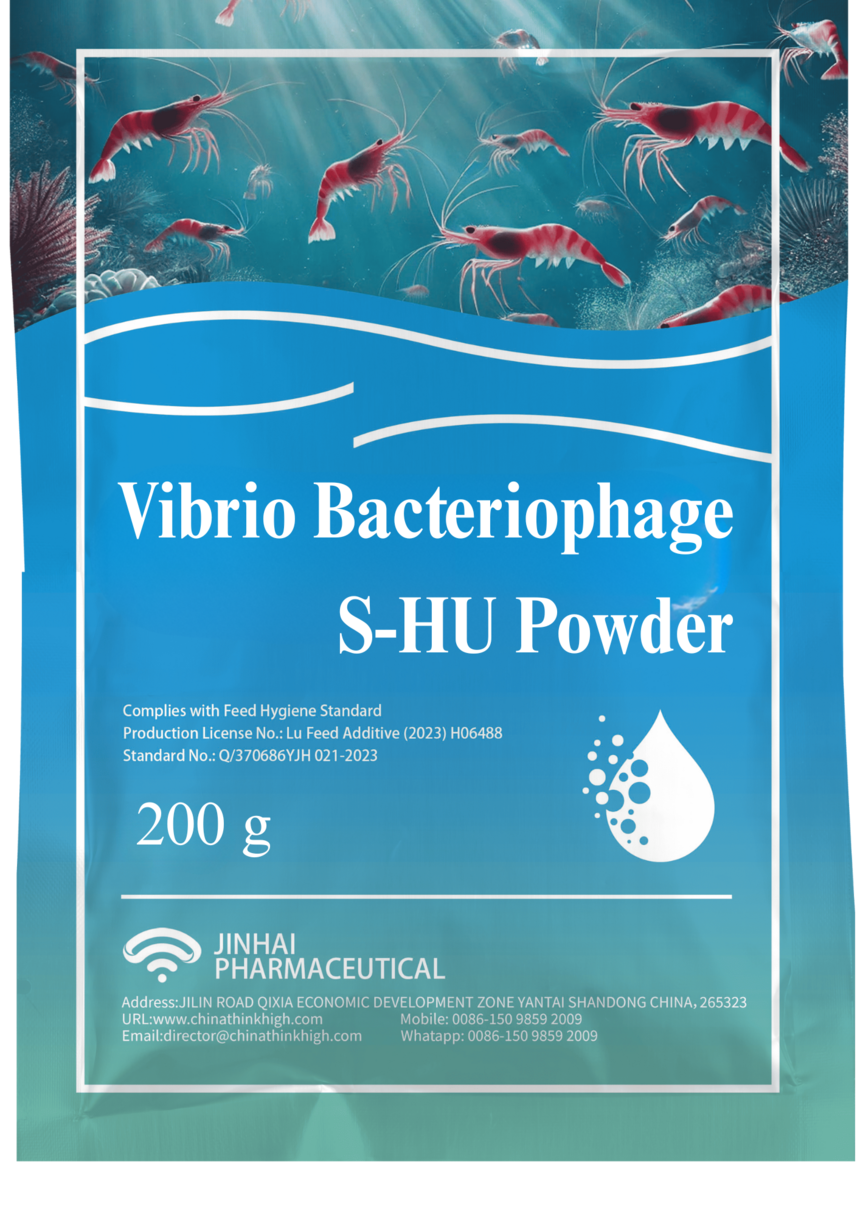
The science is compelling, but for it to be effective on your farm, it must be delivered in a high-potency, reliable, and easy-to-use format. This is where a professionally developed phage product becomes essential. For farms struggling with persistent Vibrio harveyi and Vibrio parahaemolyticus—two of the most destructive species in aquaculture—a specialized solution is needed. Our S-HU Powder (Vibrio Phage) is a high-purity phage cocktail designed specifically for this challenge. With a guaranteed potency of over 10⁸ PFU/g (Plaque-Forming Units), it delivers a powerful and effective dose of targeted phages. Crucially, our product is manufactured using an advanced ultrafiltration process. This minimizes carrier residues, ensuring that what you add to your pond is a pure, concentrated solution of active phages, ready to work immediately to drive down Vibrio counts in both ponds and hatcheries. By integrating a high-quality Vibrio phage like S-HU Powder into your farm management plan, you can shift away from the failing antibiotic cycle and embrace a more sustainable, effective, and profitable future. |