|
Poultry Water Acidification: Biofilm Control & pH ScienceWater is often referred to as the "forgotten nutrient" in poultry farming. While immense attention is paid to feed formulation, the quality of the water that carries essential nutrients and additives is frequently overlooked. For farm managers and veterinarians, understanding the link between poultry water acidification and overall flock performance is critical. This article delves into the microscopic battlefield within your water lines and explains how specific organic acids function not just aspH regulators, but as powerful tools for biosecurity and physiological balance. The Invisible Threat: Biofilms in Water Lines
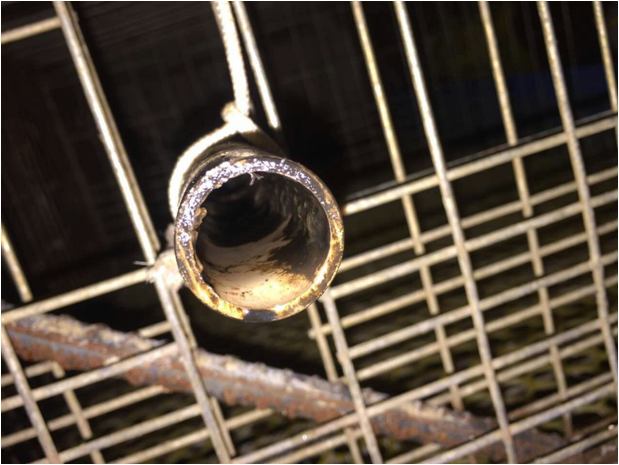
In modern intensive farming, closed water systems (nipple drinkers) are standard. While hygienic, the warm environment of a poultry house, combined with slow water flow during early brooding, creates an ideal incubator for bacteria. This leads to the formation of biofilms—a sticky, protective layer of microorganisms (including E. coli and Salmonella) that adheres to the inner walls of pipes. Biofilms are notoriously difficult to remove. They protect bacteria from standard chlorination and continuously re-contaminate the drinking water. This is where the strategic use of organic acids becomes essential. Mechanism of Action: How Organic Acids Break the Cycle
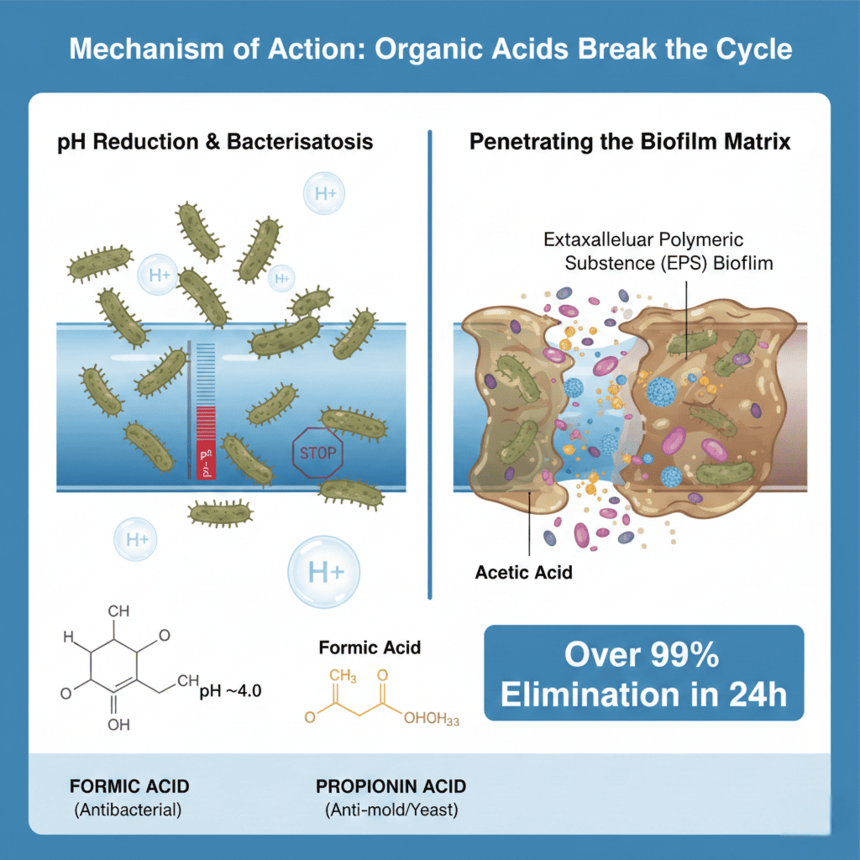
Unlike inorganic acids that merely drop the pH (often corrosively), buffered organic acids—specifically formic acid, acetic acid, and propionic acid—offer a dual-action mechanism.
Beyond Sanitation: Physiological Impacts of Acidified WaterWhile water sanitation is the primary function, the benefits of poultry water acidification extend into the bird’s physiology. Recent scientific discussions have moved beyond simple gut pH modulation to explore cellular-level impacts. Regulating Inflammatory ResponsesOxidative stress is a common challenge in poultry, often induced by environmental factors or poor water quality. When birds are stressed, their bodies trigger inflammatory pathways (such as the NF-κB signaling pathway), which diverts energy away from growth. Research suggests that short-chain organic acids can play a role in modulating these pathways. By maintaining a balanced redox state, organic acids help attenuate the overexpression of pro-inflammatory cytokines (like TNF-α and IL-8). This implies that a clean, acidified water source does not just prevent infection; it actively supports the animal's ability to cope with metabolic stress. Enhancing the Gastric BarrierThe proventriculus and gizzard rely on an acidic environment to activate enzymes like pepsin. Young birds often lack sufficient acid secretion. Drinking water supplemented with organic acids acts as a "primer" for digestion, ensuring that feed is broken down efficiently before it reaches the intestine. This reduces the substrate available for hindgut pathogens, indirectly supporting poultry gut health. Selecting the Right Acidifier Profile
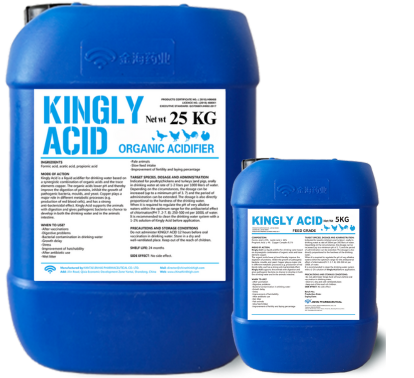
Not all acids perform the same function. For water quality management, the profile of the acidifier is paramount.
ConclusionImplementing a robust poultry water acidification strategy is a proactive investment in biosecurity. By effectively controlling biofilms and optimizing water pH, producers can protect their flocks from waterborne pathogens and support optimal physiological function. As the industry moves away from antibiotics, maintaining pristine water quality through organic acids is no longer optional—it is a cornerstone of performance. |