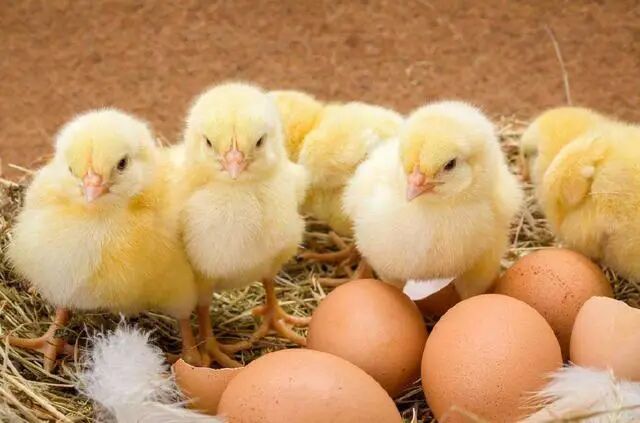
Introduction: Breaking the Cycle of "Batch-to-Batch" Failure
In intensive broiler farming, few things are as frustrating—and costly—as a recurring disease cycle. For many farm managers, the struggle isn't just one bad outbreak; it is the predictable pattern where every new batch of chicks falls ill with Salmonella within the first week.
This "vertical transmission" or persistent environmental contamination creates a cycle of loss. It leads to high early mortality, poor uniformity, and an over-reliance on antibiotics that damages poultry gut health from day one.
This case study examines a large-scale operation in Liaoning, China, that successfully broke this cycle. By shifting their strategy from "reactive treatment" to "active purification" using Salmonella Phage technology during the critical opening period, they achieved a zero-infection outcome for a massive flock of 360,000 birds.
For global integrators facing similar challenges, this case offers a blueprint for preventing Salmonella in broiler chicks without relying on harsh antibiotics.
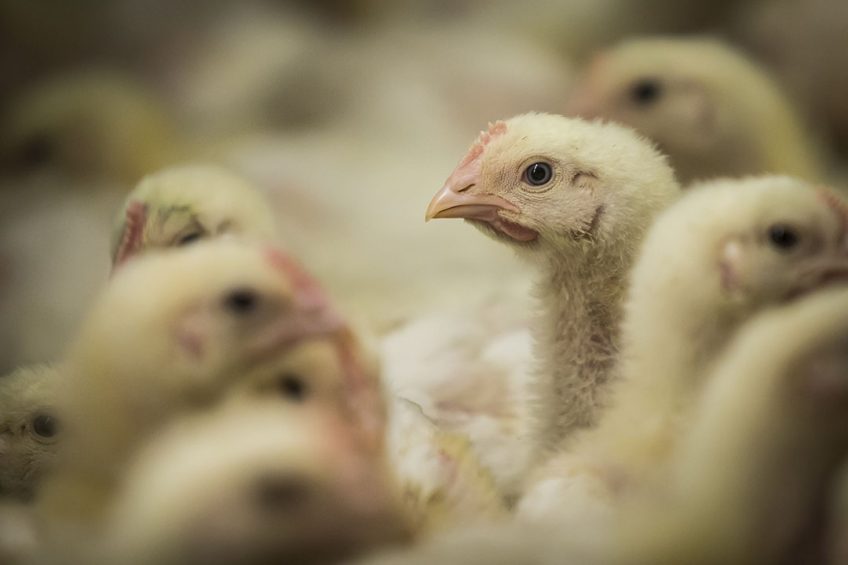
The Challenge: Recurring Infections in a 360,000-Bird Operation
Farm Profile:
Location: Liaoning Province (A high-density poultry region).
Scale: 10 Large-Scale Broiler Houses.
Capacity: 36,000 birds per house (Total: 360,000 birds per batch).
The Historical Pain Point: This farm was plagued by a "historical burden." In previous cycles, management noted a consistent pattern: as soon as the chicks entered the brooding phase (the "opening" period), Salmonella symptoms would appear.
This suggests two likely sources of infection:
Vertical Transmission: The chicks were arriving from the hatchery already carrying a bacterial load (Pullorum/Gallinarum).
Environmental Persistence: The Salmonella strain was surviving the clean-out process in the shed environment.
The result was predictable: every batch required emergency medication, leading to higher costs, stunted growth, and stress on the management team. They needed a solution that would "clean" the chicks immediately upon arrival, rather than waiting for them to get sick.
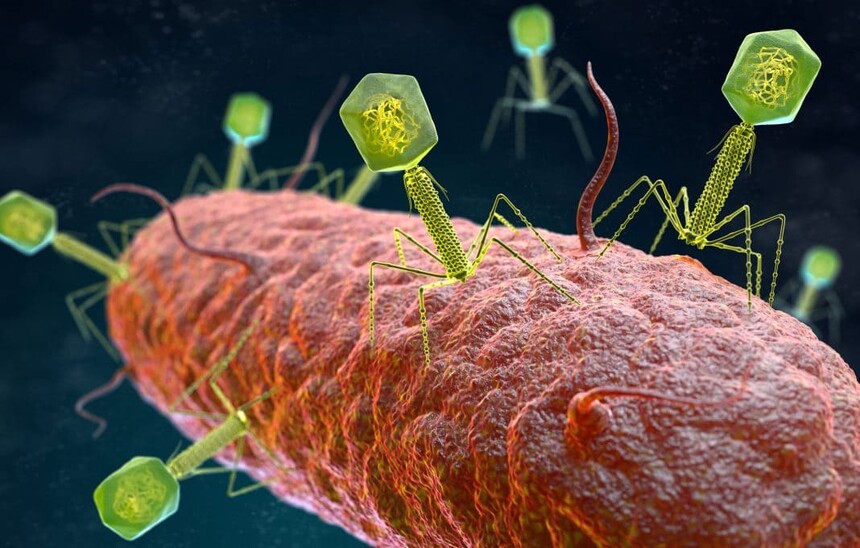
The Solution: "Opening" Purification with Phages
The farm management consulted with Yantai Jinhai’s technical team to design a preventative protocol. The goal was Purification—eliminating the bacteria before it could establish a foothold in the gut.
Why the "Opening Period" (Days 1–5) Matters
The first week of a chick's life is the most critical window. The chick's immune system is immature, and its gut microbiome is sterile and wide open to colonization.
The Protocol Implemented
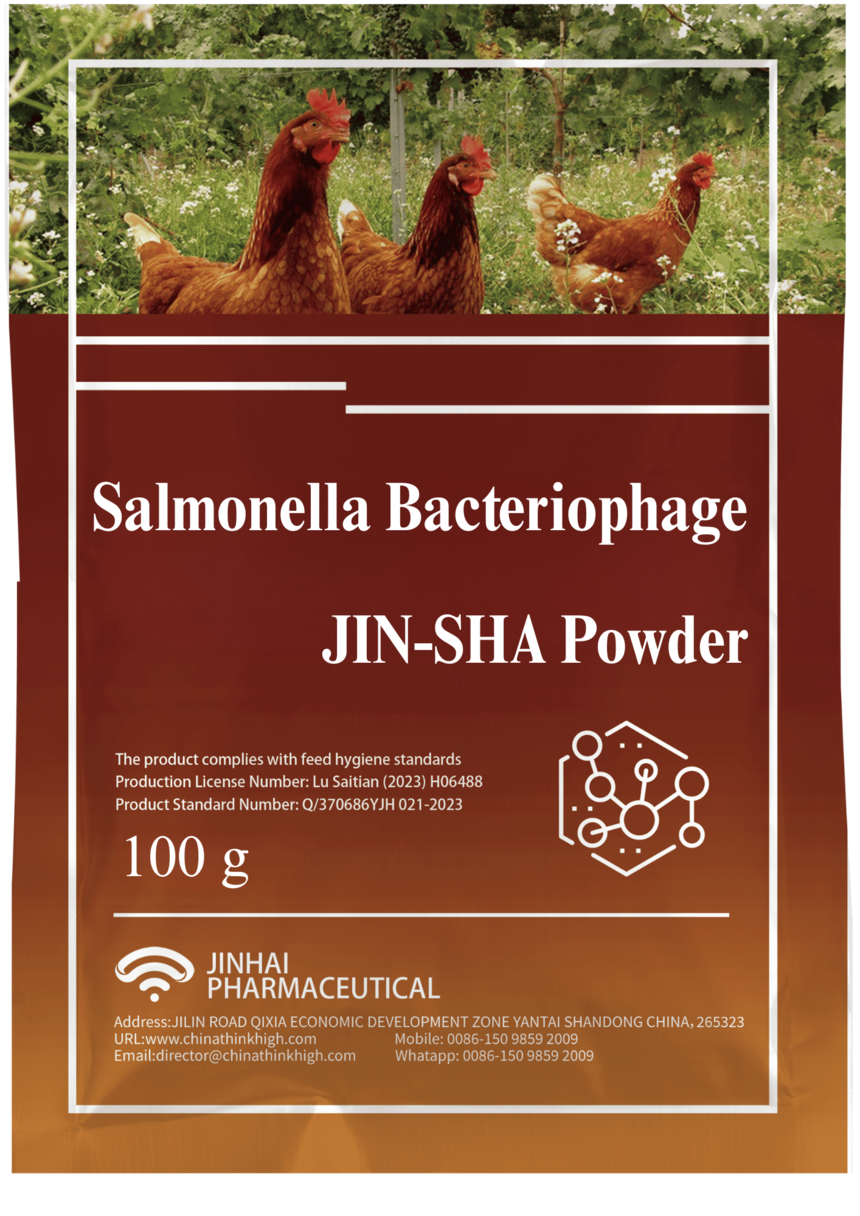
The farm chose to use the Jinhai Salmonella Phage (JIN-SHA powder), a targeted purification product, specifically for the opening medication program.
Product: Salmonella Phage (JIN-SHA powder).
Timing: The "Opening" Phase (Immediately upon arrival/Day 1).
Dosage: 1 Bag per 20,000 chicks (Prophylactic/Purification dosage).
Duration: Continuous use in drinking water for 3 days.
The Results: A New Standard for Brooding Health
The difference between the previous chemical-based cycles and this biological-based cycle was stark.
After administering the Phage protocol for the first 3 days, the farm managers monitored the flock closely throughout the entire brooding stage (0–21 days).
Key Outcomes:
Zero Clinical Symptoms: For the first time in multiple cycles, the flock showed no signs of Salmonella infection (no white diarrhea, no huddling, no pasty vents).
Vitality Boost: The mental state of the flock was excellent. The chicks were active, eager to eat, and spread evenly across the brooding ring—indicators of thermal comfort and good health.
Growth Metrics: Feed and water intake followed the genetic potential curves perfectly. Uniformity was high.
Client Feedback: The farm manager reported that this protocol "thoroughly broke the dilemma" of every batch getting sick. The psychological relief for the management team—knowing they didn't have to fight a disease outbreak in week 1—was as valuable as the economic savings.
Strategic Analysis: Why Prevention Beats Cure

This Liaoning case study illustrates a fundamental shift in modern poultry medicine: the move towards Precision Purification.
1. Cutting the Transmission Chain
By using Phages at the "opening," the farm effectively sanitized the gut of the chicks. If the chicks arrived from the hatchery carrying Salmonella, the phages eliminated the bacteria immediately. This prevented the bacteria from shedding into the litter and infecting other birds (horizontal transmission).
2. Protecting the "Empty Gut"
When a chick hatches, its gut is an empty parking lot. If you fill it with antibiotics, you keep it empty, allowing resistant superbugs to park there later. By using Phages, the farm allowed the good bacteria to park and fill the lot, while the Phages acted as security guards removing only the Salmonella. This sets the stage for robust poultry gut health for the rest of the grow-out.
3. Cost-Efficiency
Treating a full-blown outbreak in 360,000 birds requires massive amounts of medication and labor. Preventing the outbreak with a 3-day targeted dose is a fraction of the cost.
Industry Insight: For integrators aiming for antibiotic-free poultry production, replacing the "opening antibiotic" with a "opening phage" is often the first and most impactful step.
Conclusion: A Replicable Path for Global Farmers
The success in Liaoning is not an anomaly; it is a reproducible result of applying biological science to farming.
The conclusion is clear: For broiler farms struggling with "batch-to-batch" Salmonella issues, the root cause is often a failure to purify the system at the start. Traditional chemical controls are failing due to resistance and their negative impact on chick vitality.
Why choose Jinhai Phage for the Opening Period?
Precision: Targets the specific pathogen (Salmonella) without collateral damage.
Timing: Perfectly suited for the delicate immune system of day-old chicks.
Speed: A 3-day protocol provides a clean slate for the flock.
Preventing Salmonella in broiler chicks is not just about avoiding death; it is about maximizing the genetic potential of the bird.
If your hatchery or farm is facing recurring Salmonella pressure, it is time to update your opening protocol. Contact Yantai Jinhai Pharmaceutical today to discuss how our Phage solutions can serve as the "biological firewall" for your next batch.
Disclaimer: Case study data is derived from field applications by Yantai Jinhai Pharmaceutical Co. Ltd. Individual farm results may vary based on management, biosecurity, and local disease strains.
