|
Biofilm & Recurrent Poultry Diseases: The Hidden Link
Recurrent disease patterns are a familiar frustration in poultry production. Affected flocks may respond to treatment, clinical signs fade, and performance briefly improves—only for the same problems to reappear weeks later. In many cases, the missing piece is not medication, vaccination, or feed formulation, but waterline biofilm in poultry systems. Water is consumed continuously, making it the most consistent exposure route for pathogens. When contamination sources persist inside waterlines, disease recurrence becomes a system-level issue rather than a flock-level accident. Why Poultry Diseases Often Return After TreatmentMost disease control strategies focus on the bird. Antibiotics, probiotics, or supportive therapies may reduce pathogen load temporarily, but they do not eliminate continuous environmental exposure. When water quality remains compromised, birds are re-exposed to low levels of pathogens every day. This constant challenge weakens gut stability and immune resilience, creating ideal conditions for disease recurrence. Waterlines as a Continuous Source of Pathogen Exposure
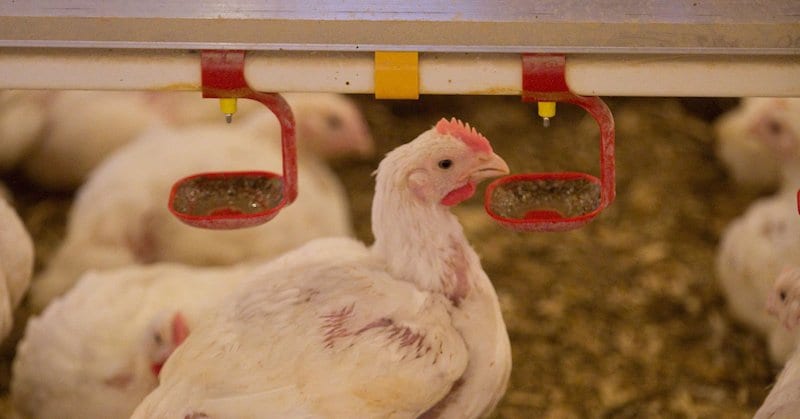
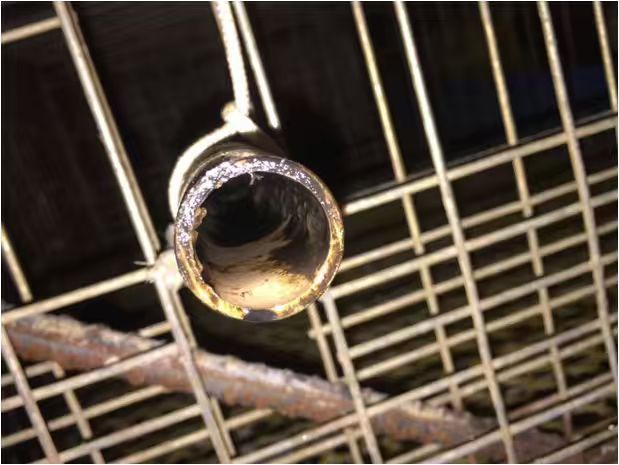
Unlike feed or litter, drinking water enters the bird's system dozens of times per day. Even minor contamination inside waterlines becomes biologically significant due to frequency of intake. Waterline biofilm in poultry houses acts as a persistent reservoir. Bacteria released from biofilm are not delivered in a single dose, but as a continuous trickle that maintains infection pressure throughout the production cycle. How Biofilm Protects Pathogens From Routine Sanitation
Routine sanitation often targets free-floating bacteria in water. Biofilm, however, forms a protective matrix that shields microorganisms from disinfectants and environmental stress. As a result:
This protective effect explains why waterline biofilm in poultry systems is frequently underestimated. Why Recurrent E. coli and Salmonella Are Often Water-RelatedRecurrent E. coli and Salmonella challenges are commonly associated with environmental reservoirs rather than new introductions. Waterlines provide ideal conditions for these organisms to persist. Biofilm allows pathogens to withstand sanitation pressure and re-enter drinking water over time. While water is rarely the only source of infection, it is often a critical contributor to repeated exposure. Heat Stress Amplifies the Impact of Waterline BiofilmHigh ambient temperatures significantly increase water consumption. During heat stress, birds ingest larger volumes of water, intensifying exposure to any pathogens present. At the same time, elevated temperatures accelerate bacterial growth and biofilm activity. These combined effects explain why disease recurrence linked to waterline biofilm in poultry houses is most evident during warmer months. Why Treating Birds Without Treating Water Rarely WorksAddressing disease at the bird level while ignoring water hygiene creates an incomplete control strategy. Treatments may suppress symptoms, but persistent contamination inside waterlines continuously reintroduces pathogens. This disconnect often leads to repeated treatment cycles without long-term resolution. Sustainable disease control requires reducing pathogen pressure at its source, not only within the bird. Breaking the Cycle: From Recurrent Disease to Source Control
Effective prevention begins with recognizing waterlines as part of the disease ecosystem. Controlling waterline biofilm in poultry systems requires consistent, system-level management rather than episodic intervention. Programs that apply continuous antimicrobial pressure while remaining compatible with equipment are better positioned to disrupt biofilm recovery and reduce recurrent disease risk. Final PerspectiveRecurrent poultry diseases are rarely random. In many operations, waterline biofilm quietly sustains pathogen exposure long after clinical signs have been treated. By shifting focus from repeated bird-level interventions to source control within the water system, producers can break the cycle of recurrence and achieve more stable flock health and performance. |