|
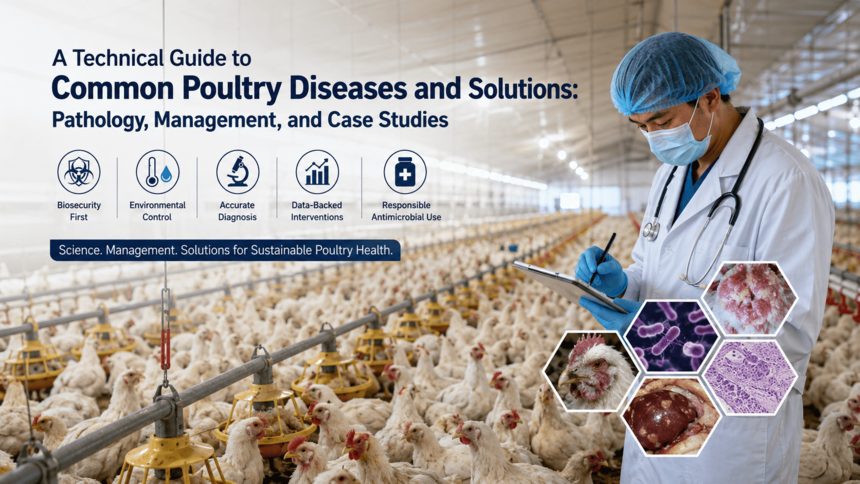
Common Poultry Diseases and Solutions: A Technical GuideA Technical Guide to Common Poultry Diseases and Solutions: Pathology, Management, and Case Studies
In the rapidly evolving poultry sectors of Asia, Africa, and Latin America, production scales are increasing, but so are the pathological challenges. High-density farming combined with extreme climatic variables—such as severe heat stress and intense monsoon humidity—creates complex epidemiological environments. For commercial integrators, veterinarians, and regional distributors, managing common poultry diseases and solutions requires moving past basic textbook definitions. Today's industry demands a deep understanding of pathophysiology, pathogen resistance, and integrate This guide provides a clinical look at five major disease complexes affecting global poultry production. By examining real-world case studies, we will outline comprehensive management protocols—prioritizing biosecurity, environmental control, and targeted, data-backed interventions over blind antibiotic usage. 1. The Viral Complex: Newcastle Disease (ND) & Avian Influenza (AI) Outbreaks
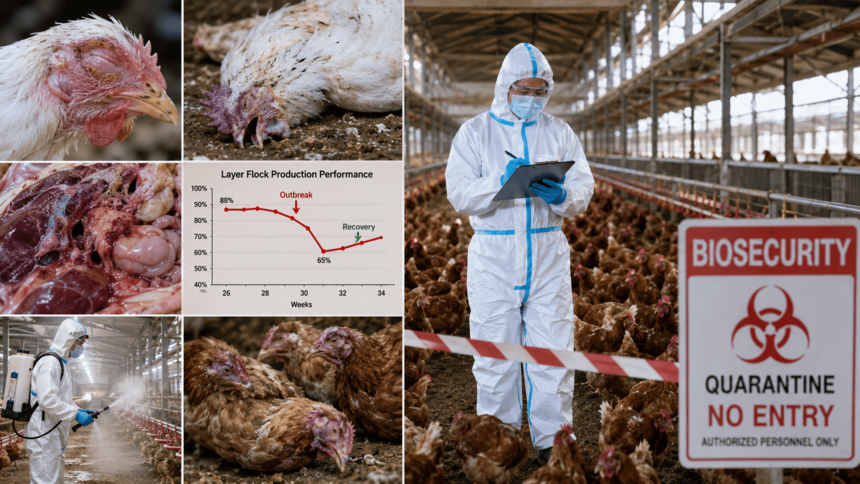
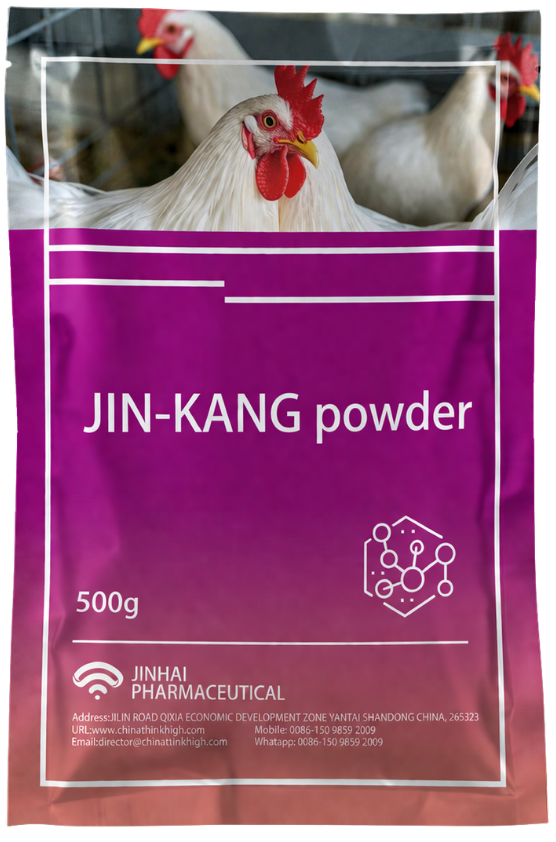
Highly contagious viral infections like Newcastle Disease (especially velogenic strains) and Avian Influenza remain top threats to flock viability. In regions with fluctuating cold chains, vaccine titers can be inconsistent, leading to severe outbreaks even in vaccinated flocks. Clinical PathologyThese viruses target the respiratory, gastrointestinal, and nervous systems. In acute outbreaks, rapid viral replication leads to severe hemorrhaging in the proventriculus, sudden drops in feed intake, and necrosis of lymphoid tissues, causing massive acute mortality. Case Study: Rescuing a Layer Flock in Southeast AsiaThe Scenario: A commercial layer farm in Indonesia (60,000 birds) experienced an unexpected viral outbreak at 30 weeks of age. Egg production plummeted from 88% to 65% within four days, accompanied by green diarrhea and severe nervous symptoms. Field diagnosis pointed to a mixed viral challenge (ND and suspected IB), occurring during an "immune gap" where vaccine-induced antibodies had waned. The Solution & Intervention:Strict Isolation: Immediate halting of all personnel and equipment movement between sheds. Enhanced biosecurity protocols with peroxygen-based disinfectants. Emergency Neutralization: Traditional antibiotic treatments are useless against viral replication. Instead, the farm required immediate passive immunity. The veterinarian integrated JIN-KANG powder (MultiVirus Shield) into the protocol. As a balanced blend of compound antibodies (specifically targeting ND, IB, AI, and adenovirus), it works to rapidly neutralize circulating viruses in the bloodstream.
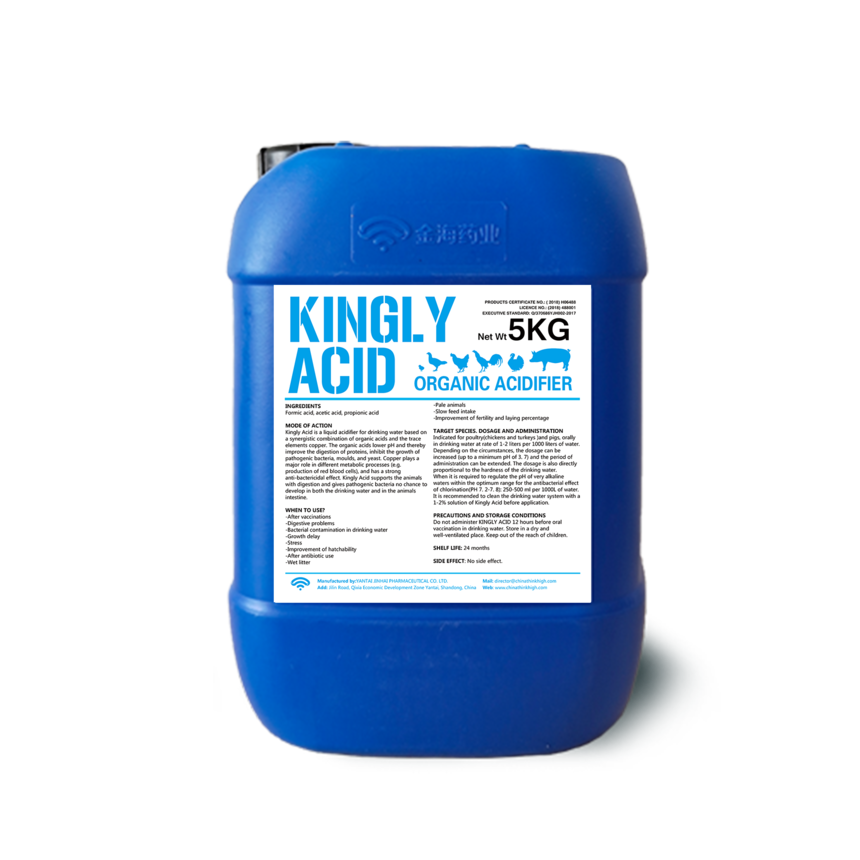
Clinical Outcome: Because the compound antibodies provided immediate viral neutralization without waiting for the birds' compromised immune systems to respond, the mortality rate stabilized within 48 hours. Feed intake gradually recovered, and the flock avoided total depopulation, serving as a critical rescue strategy during a severe vaccine failure. 2. Avian Pathogenic E. coli (Colibacillosis) & Water Line HygieneEscherichia coli is typically a secondary, opportunistic pathogen. However, Avian Pathogenic E. coli (APEC) causes systemic colibacillosis, characterized by fibrinous pericarditis, perihepatitis, and air sacculitis. A major, yet often overlooked, vector for APEC is the farm's water distribution system. Clinical PathologyPathogens thrive in the biofilm—a slimy matrix of bacteria and organic matter—that builds up inside water lines. When birds are stressed, they ingest these high bacterial loads, which overwhelm the gut barrier, enter the bloodstream, and cause systemic septicemia. Case Study: Eradicating Biofilm in a West African Broiler FarmThe Scenario: A broiler integrator in Nigeria struggled with high late-stage mortality (up to 1.2% daily after day 25). Necropsies consistently showed classic APEC lesions. The farm was continuously treating with enrofloxacin, but antimicrobial resistance (AMR) rendered the drugs ineffective. The Solution & Intervention:Flushing Protocols: The core issue was not just the bacteria, but the biofilm protecting them. The farm implemented high-pressure line flushing between cycles. Advanced Acidification: To maintain sanitation during the grow-out period, the farm shifted from reactive antibiotics to an engineered organic acidifier, Kingly Acid. Formulated with a specific blend of formic, acetic, and propionic acids under GMP standards, it provided an aggressive buffering system.
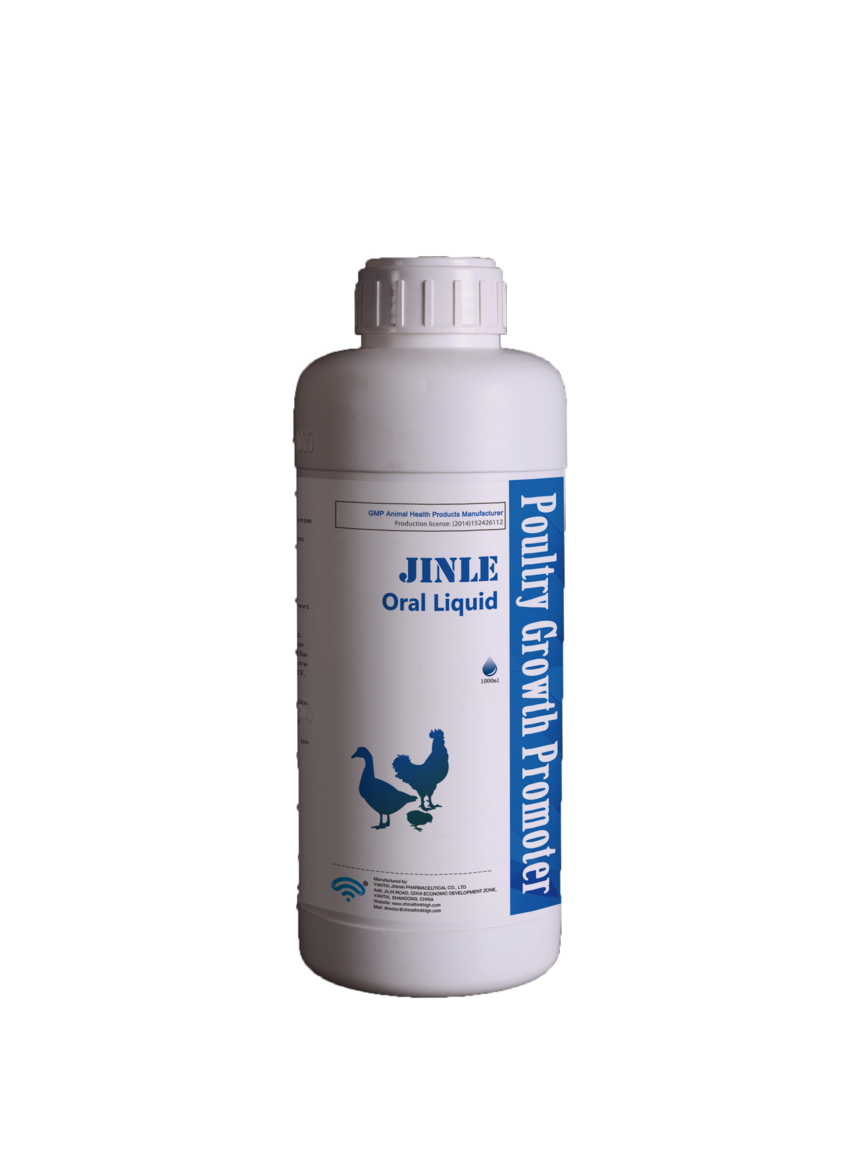
Clinical Outcome: Using a 1:1000 dilution, Kingly Acid successfully dropped the water pH to ~4.0. Independent tests showed this specific formulation eliminated up to 99.18% of biofilm bacteria within 24 hours. By sanitizing the water and promoting a low-pH environment in the proventriculus (which hinders pathogen colonization), the farm broke the E. coli cycle organically. FCR improved, and antibiotic expenditure was cut by 70%. 3. Coccidiosis: Managing Protozoal Resistance (Management-Only Focus)Coccidiosis, caused by Eimeria protozoa, destroys the intestinal mucosa. It is arguably the costliest enteric disease globally, causing severe malabsorption, bloody diarrhea, and paving the way for Necrotic Enteritis. Clinical PathologyEimeria oocysts require warmth, moisture, and oxygen to sporulate in the litter. Once ingested, they multiply exponentially inside the intestinal epithelial cells, causing cellular rupture and severe hemorrhage. Case Study: Combating Ionophore Resistance in BrazilThe Scenario: A high-density broiler farm in Brazil faced failing Feed Conversion Ratios (FCR jumping from 1.60 to 1.82) during the rainy season. The chemical anticoccidial (ionophores) used in their feed for three consecutive years had led to severe Eimeria resistance. The Solution & Intervention:Rather than relying on another chemical additive, the farm successfully implemented a strictly management-based "Bio-shuttle" and environmental control program. Litter Management: The farm increased ventilation rates and initiated daily litter turning to keep the relative humidity in the shed below 60%, drastically reducing the oocyst sporulation rate. Live Vaccination: They rotated out the chemical anticoccidials entirely and introduced a live attenuated Coccidiosis vaccine via spray at the hatchery. Clinical Outcome: By removing the selective pressure of the drugs and repopulating the farm with vaccine-strain Eimeria, the farm "reset" the pathogen profile. Within two flock cycles, intestinal integrity was restored purely through strategic veterinary management, proving that not all solutions require ongoing medication. 4. Chronic Respiratory Disease (CRD): Environmental Stress & Secondary InfectionsCRD is typically initiated by Mycoplasma gallisepticum (MG) and exacerbated by E. coli or viral triggers. It causes severe tracheal congestion, rales, and massive carcass condemnations at the slaughterhouse. Clinical PathologyHigh environmental ammonia (often due to poor winter ventilation) paralyzes the cilia in the bird's trachea. Without these hair-like structures sweeping away dust and pathogens, MG and bacteria easily colonize the respiratory tract, leading to thick, caseous exudate in the air sacs. Case Study: Winter Ventilation & Adjunct Therapy in Northern IndiaThe Scenario: A contract farm with 30,000 broilers in Northern India restricted ventilation to conserve heat during winter. Ammonia levels exceeded 45 ppm. By week four, the flock exhibited severe gasping, dyspnoea, and tracheal bleeding. The Solution & Intervention:Ammonia Control: The immediate physical solution was introducing minimum timer-ventilation to exhaust ammonia, keeping levels strictly below 20 ppm, even at the cost of slightly higher heating expenses. Targeted Adjunct Therapy: While antibiotics were prescribed to control the secondary bacterial load, they do not clear physical tracheal congestion. The veterinarian prescribed JIN-LE Oral liquid (Respiratory Relief) as an adjunct therapy. Based on pharmacological principles of Traditional Chinese Veterinary Medicine (TCVM), it combines Ephedra, Bitter-almond, Gypsum, and Licorice.
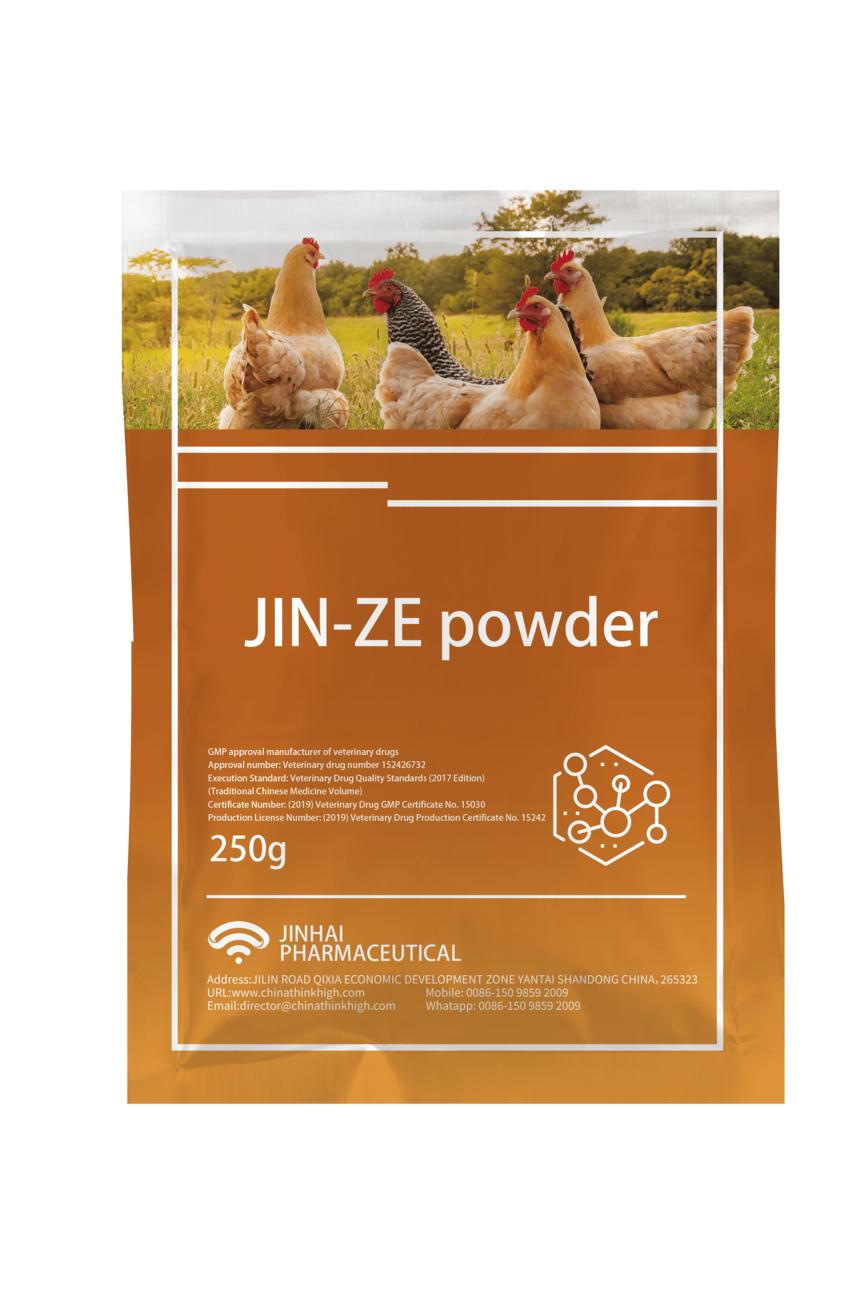
Clinical Outcome: The active components (ephedrine HCl and amygdalin ≥75 mg/L) acted as a potent bronchodilator and expectorant. By clearing pulmonary congestion and alleviating dyspnoea without side effects, the JIN-LE liquid significantly reduced mortality from asphyxiation. The birds breathed easier, feed intake resumed, and the efficacy of the concurrent antibiotic treatment was vastly improved. 5. Immunosuppression: The Hidden Danger of Subclinical InfectionsMany flocks underperform not because of a single acute disease, but due to chronic immunosuppression. This can be caused by subclinical Infectious Bursal Disease (IBD/Gumboro), mycotoxins in feed, or severe environmental stress. Clinical PathologyImmunosuppressive agents damage the Bursa of Fabricius or the thymus, impairing both innate and adaptive immunity. This creates an "immune gap," resulting in poor vaccine take (low antibody titers) and making the flock highly susceptible to opportunistic diseases. Case Study: Fixing "Immune Gaps" in a Commercial Layer OperationThe Scenario: A commercial layer farm in Latin America was struggling with inconsistent peak production. Despite rigorous vaccination schedules, regular serological testing showed highly uneven antibody titers across the flock. The Solution & Intervention:Mycotoxin Management: The farm first audited their feed supply, introducing advanced toxin binders to prevent further liver and immune organ damage. Immunity Modulation: To repair the existing immune defects and accelerate recovery from immunosuppression, the farm integrated JIN-ZE granule/powder (Immune Enhancer). Formulated exclusively with GMP-certified herbal extracts (Astragalus, Epimedium, and Ligustrum Lucidum), this intervention focuses on stimulating macrophages and enhancing T-cell and B-cell proliferation.
Clinical Outcome (Data-Backed): The results of this targeted immune support were highly quantifiable. In a controlled 15-day trial on the affected layers, repairing the immune pathways directly influenced physiological performance. Egg production rose from a stagnant 83.43% to an optimal 91.50% (an increase of 8.07%). By bridging the "immune gap," the flock's natural defenses were restored, maximizing genetic potential. Conclusion: A Paradigm Shift in Poultry Health ManagementFor B2B stakeholders—from distributors to large-scale farm managers—understanding common poultry diseases and solutions means looking at the big picture. The era of treating every symptom with heavy doses of antibiotics is over, restricted by both global regulations and the biological reality of antimicrobial resistance. The modern approach demands a foundation of rigorous biosecurity, precise environmental control, and immaculate water hygiene. When interventions are necessary, they must be strategic, data-driven, and highly targeted. Whether it is utilizing advanced organic acidifiers like Kingly Acid to maintain biofilm-free water lines, deploying compound antibodies like JIN-KANG during viral crises, or using scientifically formulated botanical adjuncts (JIN-LE and JIN-ZE) to support respiratory and immune functions, the goal remains the same: maximizing flock resilience and farm profitability. By shifting the focus from reactive treatment to proactive, technically sound management, poultry operations can thrive even in the world's most challenging agricultural environments. (Note: The technical data and formulations mentioned regarding Kingly Acid, JIN-LE, JIN-ZE, and JIN-KANG are based on specific manufacturer GMP standards and independent clinical trials. Always consult with a certified poultry veterinarian to tailor interventions to your specific epidemiological environment.) |